You would need a bit of a push yourself!
Over the last 3 years, I tried building novel sensing instruments at the company where I was previously employed but could not deliver the final product due to many challenges. The work required expertise in many fronts- engineering, physics, magneto-optics, biology and medicine. One day the company’s CEO came to my office and said that it’s time to postpone the project. I felt bad as it was my passion and I was hoping that the project would be successful if I had more time. That was a year ago. Now looking back, I see that it was the best thing to happen to me.

When I was an employee in a company, I had to follow the company rules as set out by the company and like every body else, and be there on time, report the progress every week, set a meeting with the CEO, and so on. Navigating the company structure, some of the company decisions misaligned with my ethics and values, and a lack of team effort hindered my progress.

So, after I left the company and began applying for jobs, I realised I was offering much more than what the management was looking for and this might have been seen as a negative thing. Also, in some cases the company had a very specific need, whereas I had a multitude of expertise.

As an engineering student, I always wanted to build my own company, which I tried to do earlier but was unsuccessful. While being a researcher and not having a degree in management might be a factor, I was not a good planner. I decided that it was time for me to establish my own company and do some thing good for society, with an aim to innovate new devices.

I knew that one needed to combine many dissimilar material and ideas in order to innovate. Since I already had expertise on magnetics, photonics, chemistry and interest in biology, I found this perfect for me to develop new instruments that combine all these 4 fields. While its complexity was daunting, I was ready to move forward with this system after all, developing a new technique or new device requires to go beyond normal practices.

So, I hired employees and built a small team of people working from home-lab office solutions. Fast forward to 2020, COVID19 emerged, staff were laid off, company activities decreased, but despite of it all, I was still determined to work on the project. I out-sourced work, worked online with the staff where possible, looked out for funding through banks, and secured loans too. With freedom and hard work, I achieved a lot of work within the short period of a year and have now entered the stage of prototyping. Having built a good network with the university research centers and researchers, I’m hoping to collaborate. Just like me, you may also have a lot of potential hidden within you, you just need to take a chance on yourself.

#seednanotech #career #scientific

#challange #startup #seednano #innovation

ICAPMOT 2020 @ Pokhara, Nepal

Conference 2021

Whether you are a young passionate student of science, an experienced scientist in the field, or if you have no background in science and would like to learn about about the latest research and development in the fields of plasmonics, magnetics as well as photonics then this conference is a must for you. The Seed NanoTech Inc. International Conference Series is organizing their first-ever international conference on advanced plasmonics, magnetics and magneto-optical technologies (ICAPMOT) in the beautiful city of Pokhara, Nepal. This conference will be held on September 21-25, 2020.

ICAPMOT will be lead by Conrad Rizal, co-founder and Board of Director, Seed NanoTech Inc., ON Canada. The five-day-long conference will have prominent guest speakers from the field of magnetics, Plasmonics, and photonics along with speakers from the local administration and industries.

The perfect blend of core research in the fields of plasmonics, magnetics as well as photonics makes this conference very significant. Moreover, this conference will provide a platform to the young minds around the world who will be participating to actively share, disseminate knowledge along with networking with the leaders in the fields of innovation, technology, education, and entrepreneurship.

So, if are you excited to be a part of this amazing conference, Register Here! Get an early-bird discount if you register before August 15, 2020.

You can participate in the conference as an invited speaker or a regular speaker or poster presenter. For these, you need to register and Submit your Abstract Here as:

We, at Seed NanoTech Inc., invite you to be a part of the ICAPMOT conference and disseminate your work with the scientific community. We ensure you that your attendance at this conference will not only enhance your profile within the scientific community but will also promote thoughtful discussion which in turn can lead to opportunities for future collaboration.

Looking forward to seeing you all there!

ICAPMOT 2020 Secretariat,
Canada office,
Howell St, Brampton, ON
Canada, L6Y 3J6

Covid19, and how it has Impact our life habits

COVID 19 has changed how things are done. We do not know how long our life will be like this, however, while we have dramatically reduced the number of cases by the lockdown, there will be consequences in education developments. Although many countries are in the process of easing restrictions, this by no means, implies that the virus is gone. In fact, we don’t know if the virus will ever be 100% gone or even if an effective vaccine will be created. As we try to move on with our lives, we need to focus on the fact that nothing will ever be the same and it is of utmost importance that we try to limit the spread to vulnerable people.

One of the most effective ways to do this is by contact tracing, which in Canada, it’s on its way to success. It’s no secret that the Coronavirus has made life more unpredictable. Testing is important because a lot of people have very mild symptoms and not knowing if they are affected by corona or it is different flue or symptoms. Expanding the testing capacity would allow people to know whether they have the virus and how to move on. It is very important to realize that the rate will never be zero, at least not in the near future, so while everything may seem to be getting back to normal, it is up to ourselves to protect and limit the spread to vulnerable people.

@ A part of the information is extracted from the article by Dr. Shyam P. Lohani, Professor, published in Rising Nepal. Dr. Lohani is a founder and academic director of Nobel College, Kathmandu, Nepal.

Developing Diagnostics Instruments using a Novel Technology

Conrad Rizal pursues cutting edge science from his company located in Canada. His company, Seed NanoTech International specializes in highly sensitive instruments for biotechnology, medical, pharmaceutical clients, academic institutions, hospitals, and clinics. The company is located in Brampton where they are developing a diagnostic instrument that would be able to detect diseases caused by harmful bacteria and viruses. Seed NanoTech hopes to develop the instrument within the next six months with the aim to make low-cost testing more widely available.

The instrument would be highly accurate, quicker, user-friendly, and due to the highly sensitive nature, it will make it easier to trace infections and help curb the spread of the disease, said Dr. Rizal, co-founder and Director of Seed NanoTech International. “Biosensing instruments are not an option but a necessity, for diagnostic instruments that can provide users with accurate results, rather than having to rely on testing labs that can take within a day.”

Covid-19 Fundaments

Introduction: Corona viruses are important respiratory pathogens to humans and animals. The viruses are widespread among birds and mammals, with bats having largest variety of genomes. They are the cause of community-acquired upper respiratory tract infections in adults and probably also play a role in severe respiratory infections in all age groups.

A novel corona virus was identified as the cause of a cluster of pneumonia cases in Wuhan, a city in the Hubei province of China, at the end of 2019. The 2019 novel corona virus (nCoV-19) is a new virus that causes respiratory illness in people and can spread from person to person. The cases are characterized primarily as fever, dyspnea, and bilateral infiltrates on chest imaging, but full clinical information is still under study.

Virology: Corona viruses are enveloped non-segmented positive sense RNA viruses belonging to the family Coronaviridae. The corona virus subfamily is further classified into four genera; alpha, beta, gamma and delta corona viruses. The human corona viruses (HCoVs) are in two of these genera: alpha corona viruses (HCoV-229E and HCoV-NL63) and beta corona viruses (HCov-OC43, HCov-HKU1, Middle East Respiratory Syndrome Corona Virus (MERS-CoV), and the Severe Acute Respiratory Syndrome Corona Viruses (SARS-CoV). Corona viruses are medium-sized enveloped RNA viruses whose name derives from their crown-like appearance in electron micrographs. The genome encodes four or five structural proteins; S, M, HE and E.

The corona virus infection is initiated by the attachment to specific host cell receptors in respiratory system via the spike (S) protein. The host receptor is a major determinant of pathogenicity, tissue tropism, and host range of the viruses. The interaction between the spike protein S1 triggers conformational changes in the S protein, which then promotes membrane fusion between the viral and cell membrane through the S2 domain protein. Ultimately, such phenomenon is responsible for viremia and respiratory problems including cough, chest pain and breathing difficulty, followed by pneumonia and severe acute respiratory infection (SARI).

Laboratory: Infections of the corona virus could be detected by various methods such as 1) viral antigen or antibody test by rapid diagnostic method, 2) detection of viral antigen by polymerase chain reaction (PCR) method, and 3) virus isolation. Rapid detection of viral antigen is useful in early stages of infection with the presence of clinical symptoms. However, rapid detection of antibodies against the novel corona virus can be done after 7 to 10 days of infection with clinical symptoms. In this context, antibody detection tests should be repeated after one to two-weeks later because of the long incubation period and other confounding factors such as immune status, exposure or contact history as well as, asymptomatic condition of individuals.

The Real-Time RT-PCR diagnostic test is intended for the qualitative detection of nucleic acid of nCoV in upper and lower respiratory specimens (such as nasopharyngeal or oropharyngeal swabs, sputum, lower respiratory tract aspirates, bronchoalveolar lavage and nasopharyngeal wash/aspirate or nasal aspirate) collected from individuals who meet 2019-nCoV clinical and/or epidemiological criteria (for example, clinical sign and symptoms associated with 2019-nCoV infection, contact with probable or confirmed case, history of travel to geographic locations where novel corona virus cases were detected, or other epidemiological links such a community transmission for which novel corona virus testing may be indicated as part of a public health investigation).The Real time PCR method is considered as the gold standard test for early detection and confirmation of the novel corona virus infection. However, detection limits, sensitivity and specificity of the real time PCR test kit are crucial factors for a confirmatory diagnosis of the novel corona virus 2019 infection.

@ Courtesy of Bishnu P Upadhyay, PhD Scholar, Pokhara University & Dr. Shyam P. Lohani, Professor and Founder, Nobel College  (Affiliated to Pokhara University), Kathmandu, Nepal

COVID-19, R U still there?

Background

COVID-19 has taught us to be more self-sufficient, patience, and more prepared for the next time when COVID-19’s family member would decide to come back to Earth and visit this beautiful creation again. Would like to learn more about COVID-19?

COVID-19 is the most recently discovered infectious disease caused by β (beta) coronavirus. It is a non-segmented positive-sense RNA virus. This new virus was unknown before the outbreak began in Wuhan, China, in December 2019.

Although no concrete evidence has been established yet, the coronavirus is primarily transmitted through inhalation. Infected patients may experience mild systems such as, a sore throat, headache, fever, dry cough, shortness of breath, and fatigue. However, in severe cases, viruses attack on the lungs causing pneumonia. Air sacs in lungs known as alveoli, exchange oxygen with blood and transported throughout the body, and when the coronavirus attaches to these alveoli cells, they begin to replicate within the cells. When the immune system attempts to destroy the viruses, the action results in the inflammatory response, and causes fluid accumulation in the lungs. As the lungs are filled with fluid, the body’s available oxygen decreases, which can lead to organ injury and death.

Normally, seven days is the incubation period of this infection. After seven days B lymphocyte of our immune system starts to produce IgM antibody. Production of IgM antibody reaches to the peak level after 10 days of infection, and eventually disappears after 30 days. Similarly, after 12 days of infection, our immune system starts to produce IgG antibody. Peak production of IgG antibody reaches after 20 days and may remain for a long time.

Reverse transcriptase real time PCR (RT-qPCR) and rapid antibody tests are major diagnostic tools, which are now in use universally. RT-qPCR is a gold standard method, that can detect viruses from the first day to up to 25 days of viral onset whereas, IgM rapid antibody test is useful after 10 days to 30 days of viral onset. Similarly, IgG rapid antibody test is useful after 25 days of viral onset.

Ultra-sensitive Sensors are not an Option, they are a Necessity 

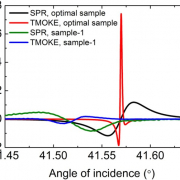
Before, sensors were used to be just used for testing glucose level in humans, but now they have been developed to detect many dangerous diseases. As sensors have evolved, they now are needed more than ever with diseases such as many forms of cancer, and COVID 19 are prevalent. The problem is that there is a disconnect between what we need these sensors to do, and what they are currently capable of doing. That’s why we need ultra-sensitive sensors in order to detect diseases at the earliest stages because so many often get missed as a result of current detection limits. This is why we at Seed NanoTech, have come up with the concept of magnetoplasmonic sensor with sharp resonances, and high sensitivity and detection limits. Our approach is based on the combination of a specially designed metallic and ferromagnetic layers that are optimized to detect changes in the environment refractive index,  examined using magnetic activity in addition to the plasmonic and optical activities.

For more information, CLICK here.

Where magnetoplasmonics meets biology

Magneto-plasmonics is a relatively new field that has many great potential applications in biomedicine and biomedical technologies such as ultra-sensitive biosensing and bio-detection, bio-imaging, bio-therapy, drug-delivery, and nano-imaging, to name a few. A deep understanding of various factors influencing magnetoplasmon properties is an important step in the effort to design new magnetic sensors and devices. Although some progress on plasmonics has been achieved in the last few years, there is still a strong need to further investigate magneto-plasmonics, in order to better tune and control magneto-optic properties, as well as to increase the sensitivity of the magnetic bio-sensor through modification of the optical radiation, magnetic field, and structure.

This new field merges the physics of nano-magnetics, where biological samples such as cells and DNA are made to interact with magnetic moments of material in the transverse direction, and nano-optics, where biological samples are made to interact with optical radiation in visible, infra-red, and telecommunication wavelength ranges. In a similar manner, it merges nano-plasmonics where biological samples are made to interact with surface plasmonic wave fields, also referred to as evanescent radiation fields.

MOSPR

Magneto-optic-plasmonic Surface Plasmon Resonance

Magneto-optic-plasmonics (MOP) is a relatively new class that merges the three sub-fields: optics, magnetics, and plasmonics of science. The main ingredients of MOP material are ferromagnetic and ferromagnetic oxide materials like Fe, Co, Ni, magnetite, etc. where any change in permittivity tensor is conveyed by the presence of an applied external force or a magnetic field. The permittivity tensor is also dependent on the frequency of the incident optical radiation.

Magneto-optic materials can be used in various areas. These include determination of dynamic studies of film growth, detection of magnetic impurities, average free carrier effective mass, MO filters, atomic line filters, field sensors, memories, modulators and integrated optoelectronic devices like optical circulators, switches and isolators. The drives using thermomagnetic recording and magnetic recording also use MO materials. Some other fields where MO materials are used include spintronics and MO microscopy. The most recent application is the biomedical field where efforts are in process to develop a biosensor that is the most sensitive to date.

The discovery of magneto-optic effects in metals and dielectric is not new (it was very first discovered and demonstrated by Michael Faraday in 1845). However, the application of MO in spintronics and recording have been found only in the 1990s. The importance of magneto-optic in sensing and imaging has emerged only in the last decade.

The recent application of magnetic-field on bio-sensing is shown in the picture below. The picture demonstrates a right-angled isosceles prism, indexed matching liquid, lenses, buffer layer, optical laser source, a substrate with transducer/sample and a photodetection (PD) system.

The future of magneto-plasmonic based nanostructures is extremely bright. These nanostructures display exceptional properties like high sensitivity, strong enhancement of electromagnetic fields, the possibility of obtaining high photothermal conversion efficiencies, large signal to noise ratio and rich spectral responses at applied magnetic fields, makes them outstanding, unique and sought for material for various applications.

Applications of Magnetoplasmonics:

The application of magnetoplasmonics has a vast range of possibilities in a number of fields including clinical therapy, biophysics, diagnostics, bio-imaging, environmental monitoring, biophysics, chemical and biological sensing, ultra-fast molecular sensing for early disease detection, magneto-plasmon-enabled photo-thermal therapy, magneto-plasmon-assisted laser welding, plasmon-assisted photo-acoustic imaging and magneto-plasmon-enhanced spectroscopies, like SERS for magneto-plasmonic structures and fields are expected to extend the production of energy and in the exploration of space as well.

Some other additional areas where magnetoplasmonic-based devices and structures can be used are magneto-plasmon based isolators, photo-detectors, harvesting and conversion of solar energy along with the coupling of magneto-plasmons to chemical reactions in order to achieve high selectivity and activity for energy saving, switching and sensing and tuning of magneto-optical properties at the femtosecond speed.

Some other highly promising areas where the potential of this technology can be fully utilized include the development of bio-nanomagnetic and magetoplasmonic bioengineering, high-performance magnetronic devices and green energy, biomedicine and biology to mention a few.

Dr. Rizal has done extensive research on Magneto-optic-plasmonics and his paper can be accessed Here

Get a quote

[wpforms id=”15215″]